

At dawn, the Château de Chantilly rises out of the water like a dream of stone and reflection. Turrets and towers float on mirrored lakes, gardens stretch in perfect geometry, and the great stables stand as proudly as a palace. Here, refinement was not an accessory to life. It was life itself. To walk through Chantilly is to step into a world where every detail was shaped by elegance, every gesture charged with meaning, and every story leaves behind a whisper of grandeur.
The Origins of Chantilly
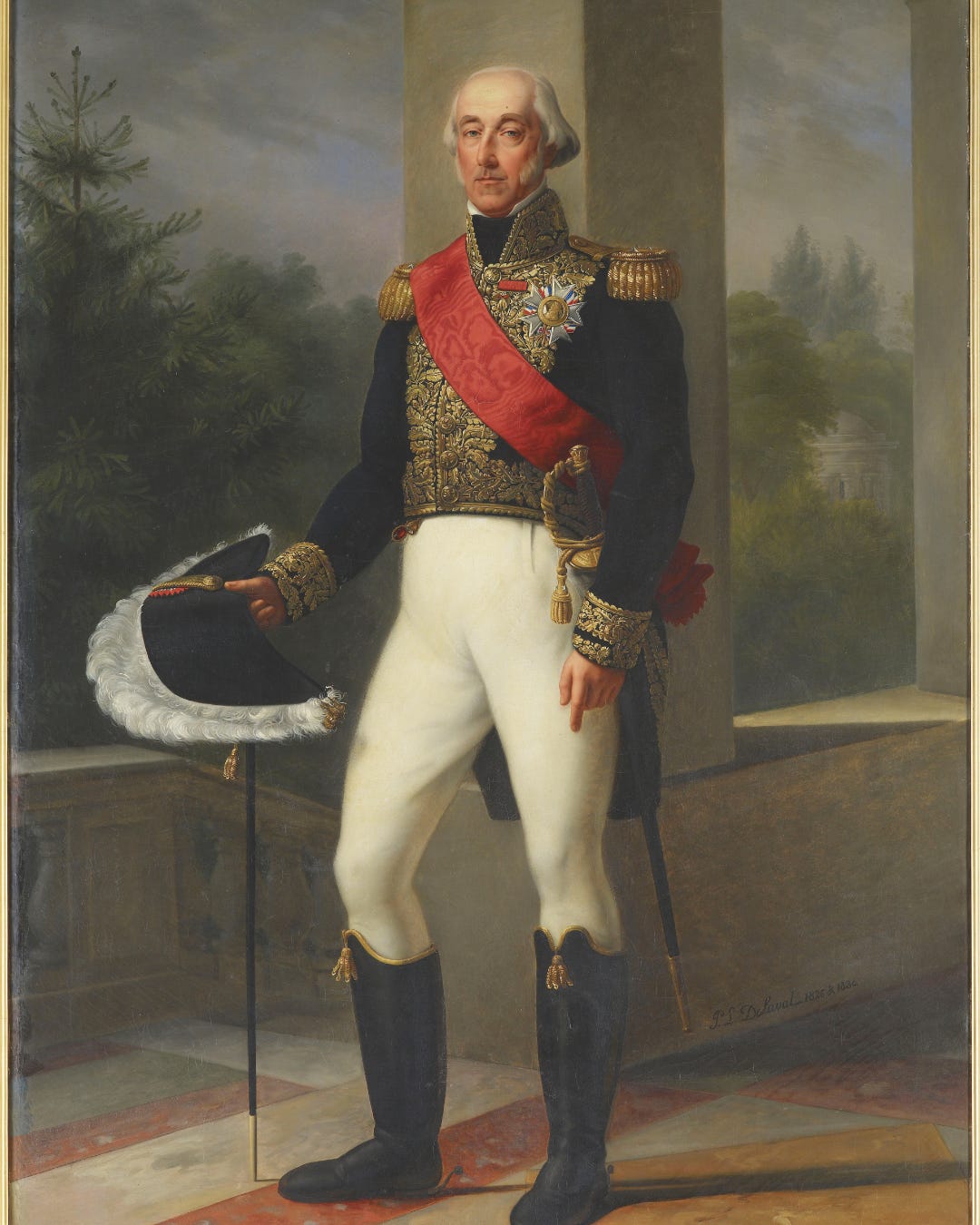
The first fortress at Chantilly was built in the Middle Ages, but it was during the Renaissance that it began its transformation into one of France’s most remarkable estates. Over centuries it passed into the hands of the Bourbon-Condé family, cousins of the kings of France. For them, Chantilly was not simply a residence. It was a stage upon which aristocratic brilliance could be displayed. Unlike Versailles, which demanded obedience through scale, Chantilly seduced through refinement.
The Bourbon-Condé Splendor
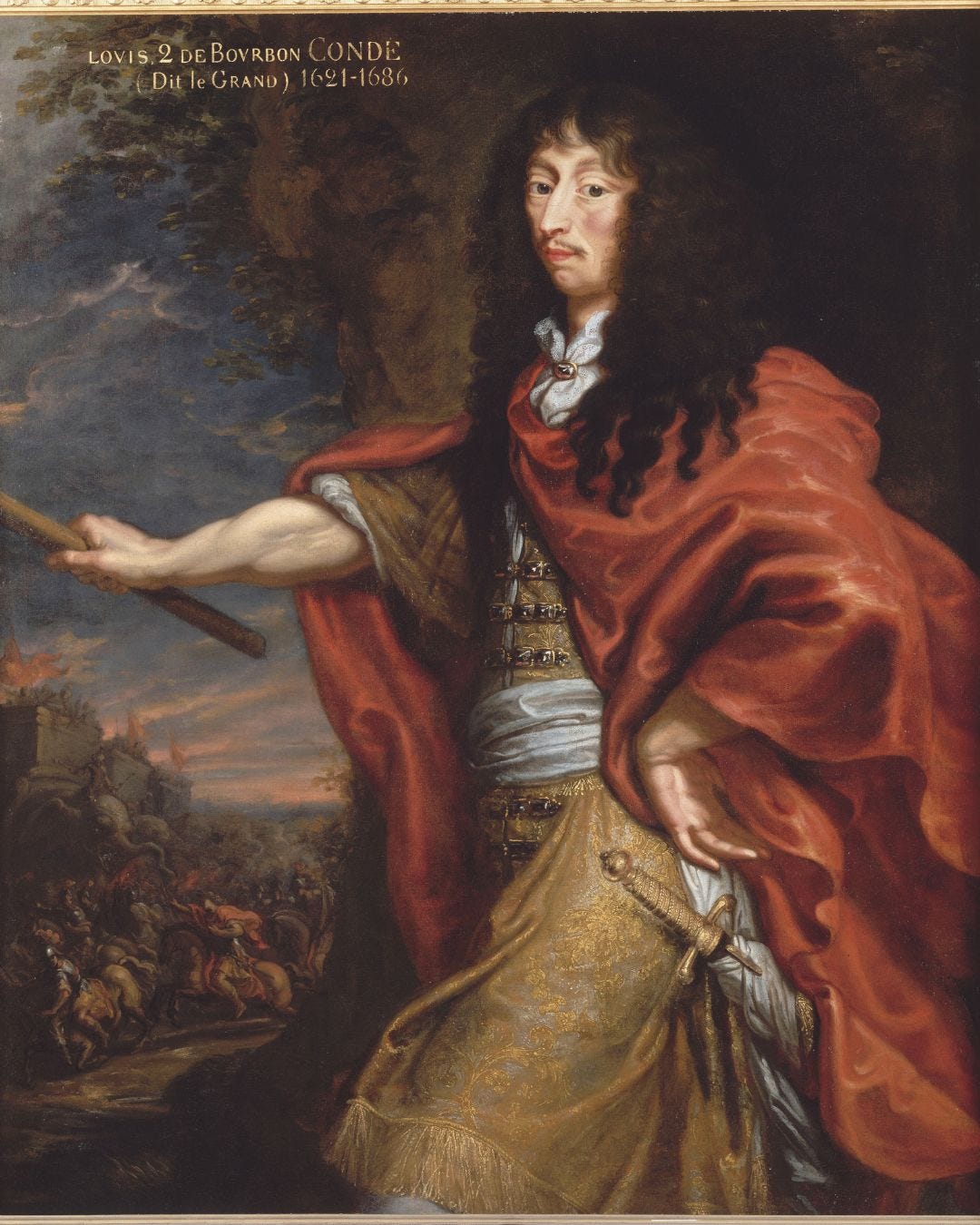
In the seventeenth and eighteenth centuries, Chantilly became a center of courtly life. The princes of Condé hosted fêtes that rivaled those of Versailles in magnificence, yet carried an intimacy that made them legendary.
It was here, in April 1671, during a banquet held in honor of Louis XIV, that perfection turned to tragedy. François Vatel, the maître d’hôtel entrusted with orchestrating the feast, was consumed by the weight of expectation. When the fish delivery arrived late, he believed he had failed both his master and the king. Unable to endure the imagined disgrace, Vatel took his own life before dawn. Hours later, the fish arrived. The banquet continued, but his story lived on as a symbol of aristocratic obsession with excellence, where refinement was worth more than life itself.
A Treasury of Art and Knowledge
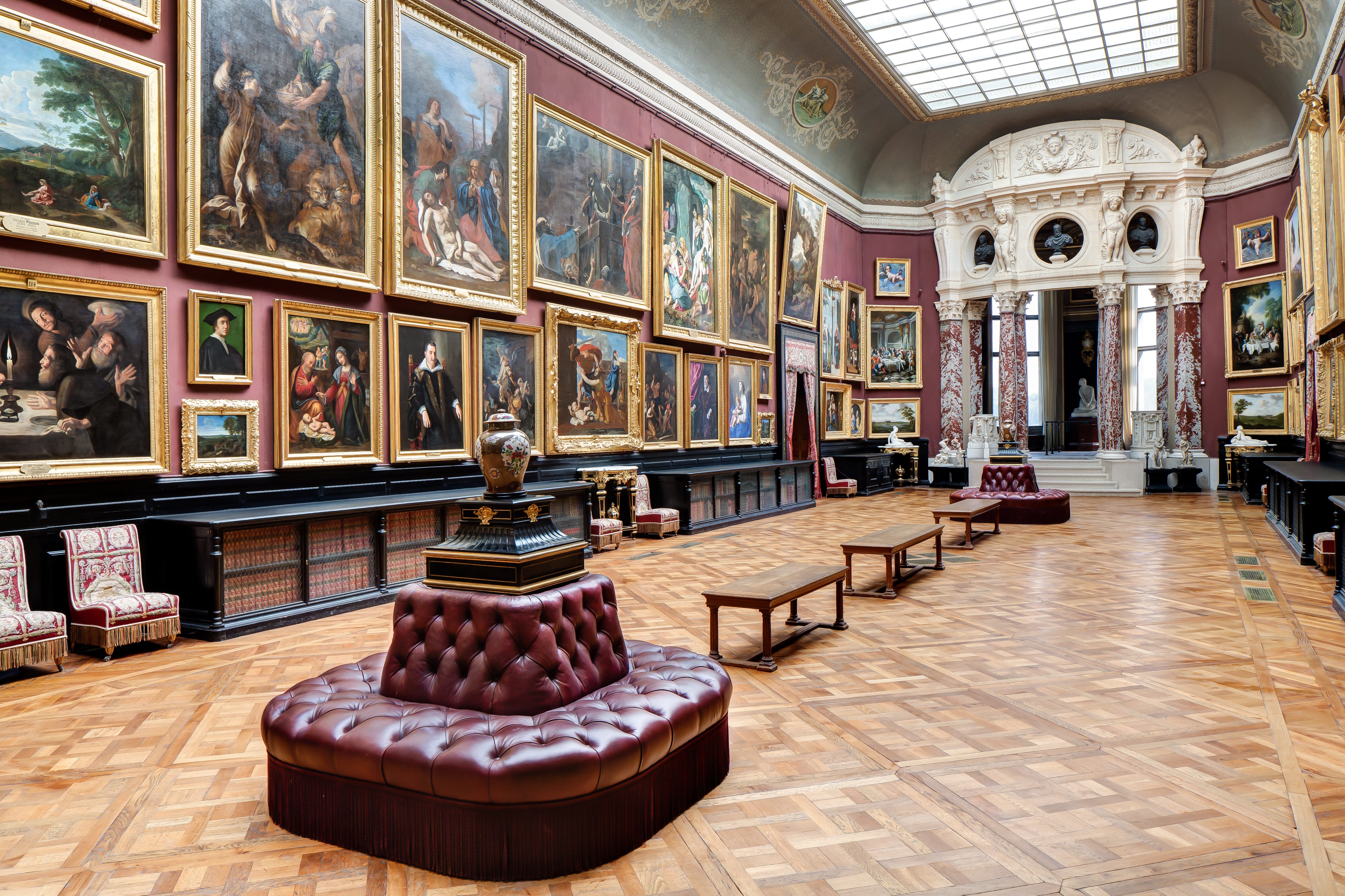
Chantilly is not only a château. It is also a sanctuary of art. The Musée Condé, housed within its walls, holds one of the greatest collections of paintings in France outside the Louvre. Raphael, Poussin, Delacroix, and Clouet line its galleries, each piece preserved in its original frame as if time itself had been commanded to stand still.
The library contains more than 1,500 manuscripts, among them the Très Riches Heures du Duc de Berry, perhaps the most celebrated illuminated manuscript in existence, a masterpiece of medieval devotion and artistry.
When the Duke of Aumale inherited Chantilly in the nineteenth century, he safeguarded this treasure by bequeathing the château and its collections to the Institut de France in 1886, under strict conditions: nothing could ever be loaned, and the museography could never be altered. To this day, the art of Chantilly cannot travel. It must be experienced within its own walls, as if the château itself guards the soul of refinement.
The Gardens of Chantilly
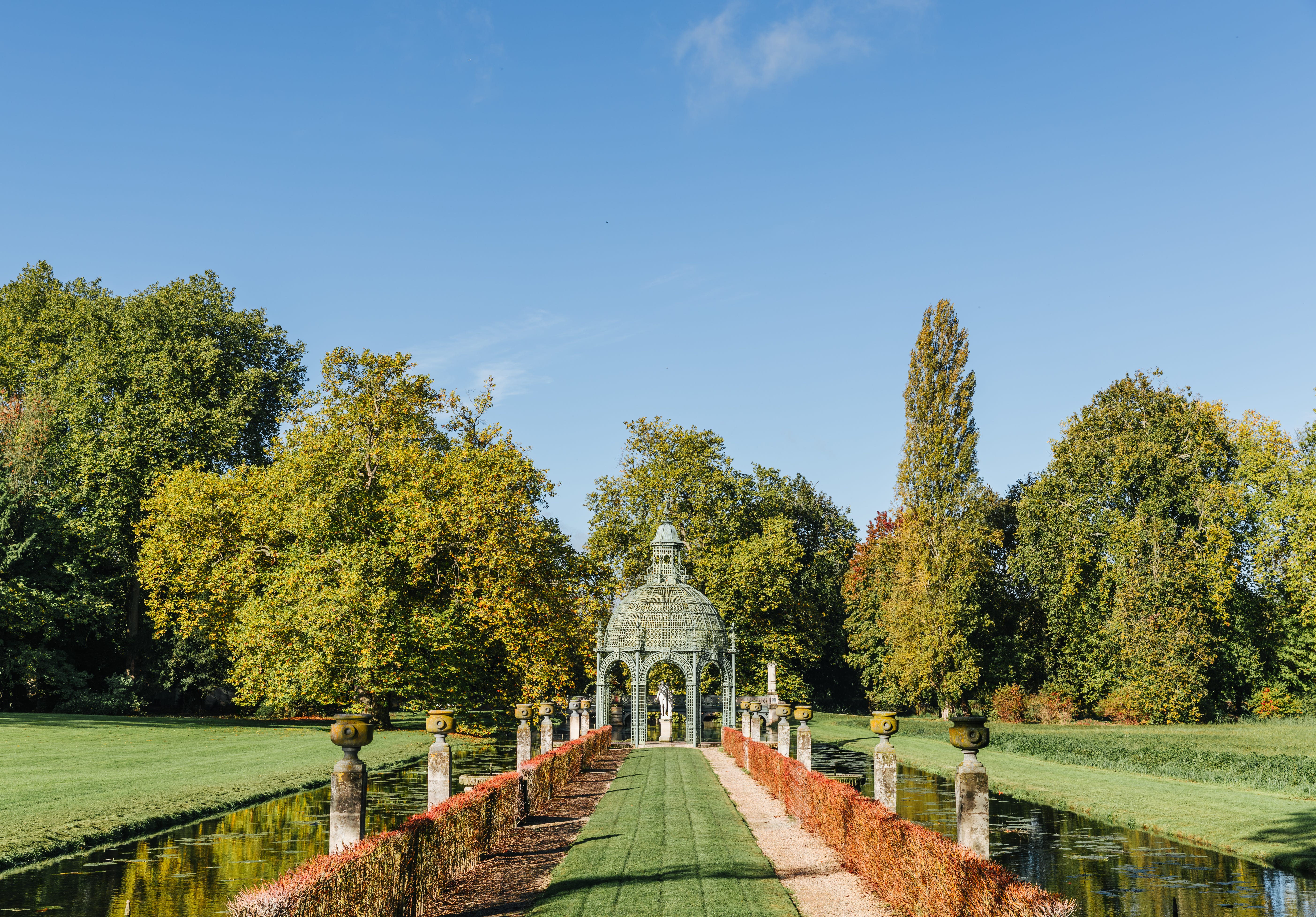
The landscape of Chantilly is itself a masterpiece. Designed by André Le Nôtre, the genius behind Versailles, the gardens of Chantilly embody perfect symmetry, vast reflecting pools, and vistas that stretch toward eternity.
Yet Chantilly also evolved beyond formality. The eighteenth century saw the addition of the Anglo-Chinese garden, where rustic cottages and winding paths softened Le Nôtre’s geometry. Within it stood the Hamlet, a picturesque model village that is explicitly cited as the inspiration for Marie Antoinette’s Hamlet at Versailles. Chantilly’s gardens became not only a place of order, but also a place of imagination, where nature was refined into art.
The Great Stables and the Equestrian Legacy
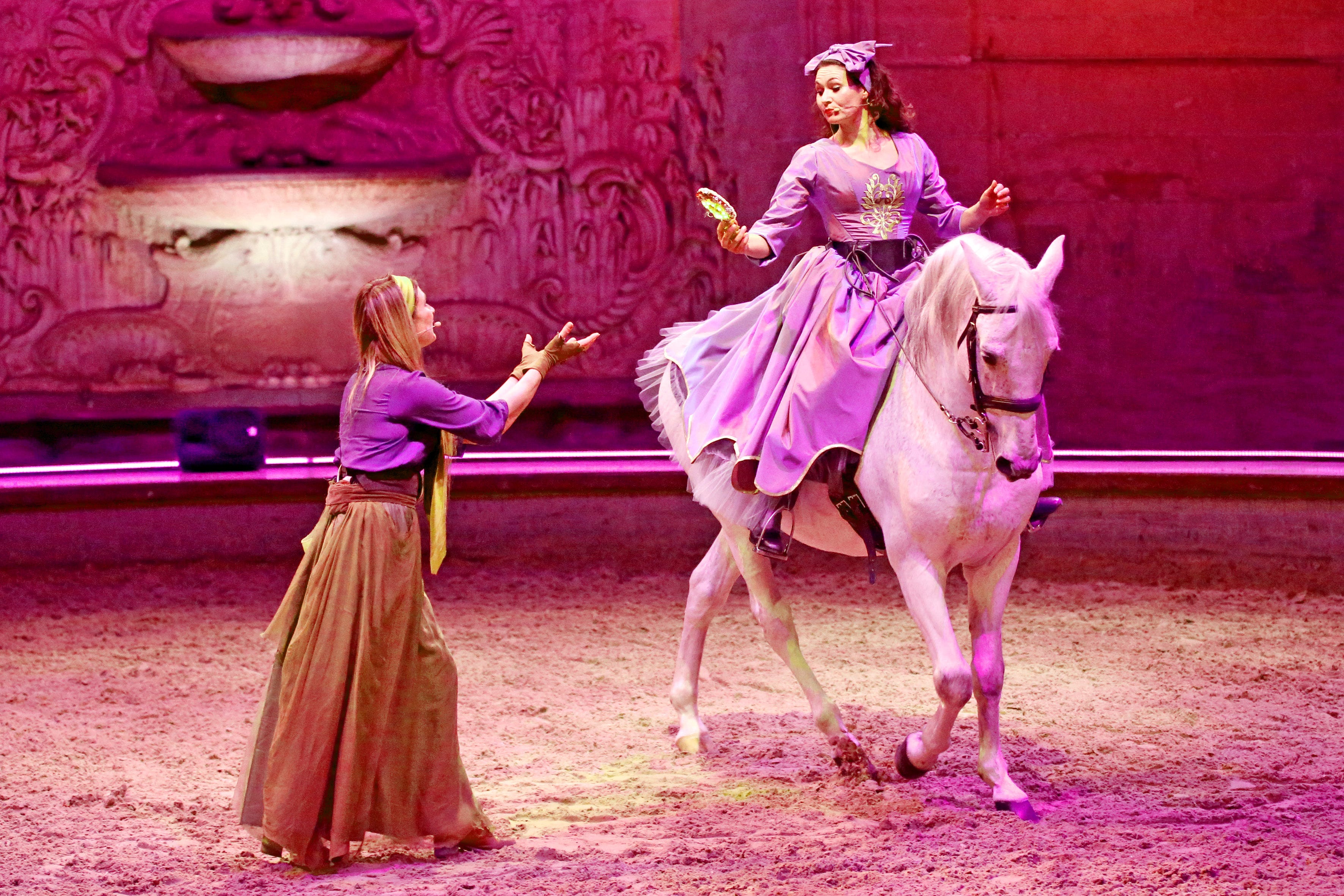
Standing beside the château are the Grand Stables, so vast and ornate they could be mistaken for a palace themselves. Built for Louis-Henri de Bourbon in the early eighteenth century, they remain the largest princely stables in Europe; a monument to equestrian culture on a scale never before seen.
Legend has it that the prince believed in reincarnation and expected to return as a horse, which is why he demanded stables worthy of royalty. Though no period document confirms this belief, the fact remains: Chantilly’s stables were conceived as a palace for horses, and to this day they house the Living Museum of the Horse, where equestrian traditions are kept alive through performances and exhibitions.
The Chantilly Name
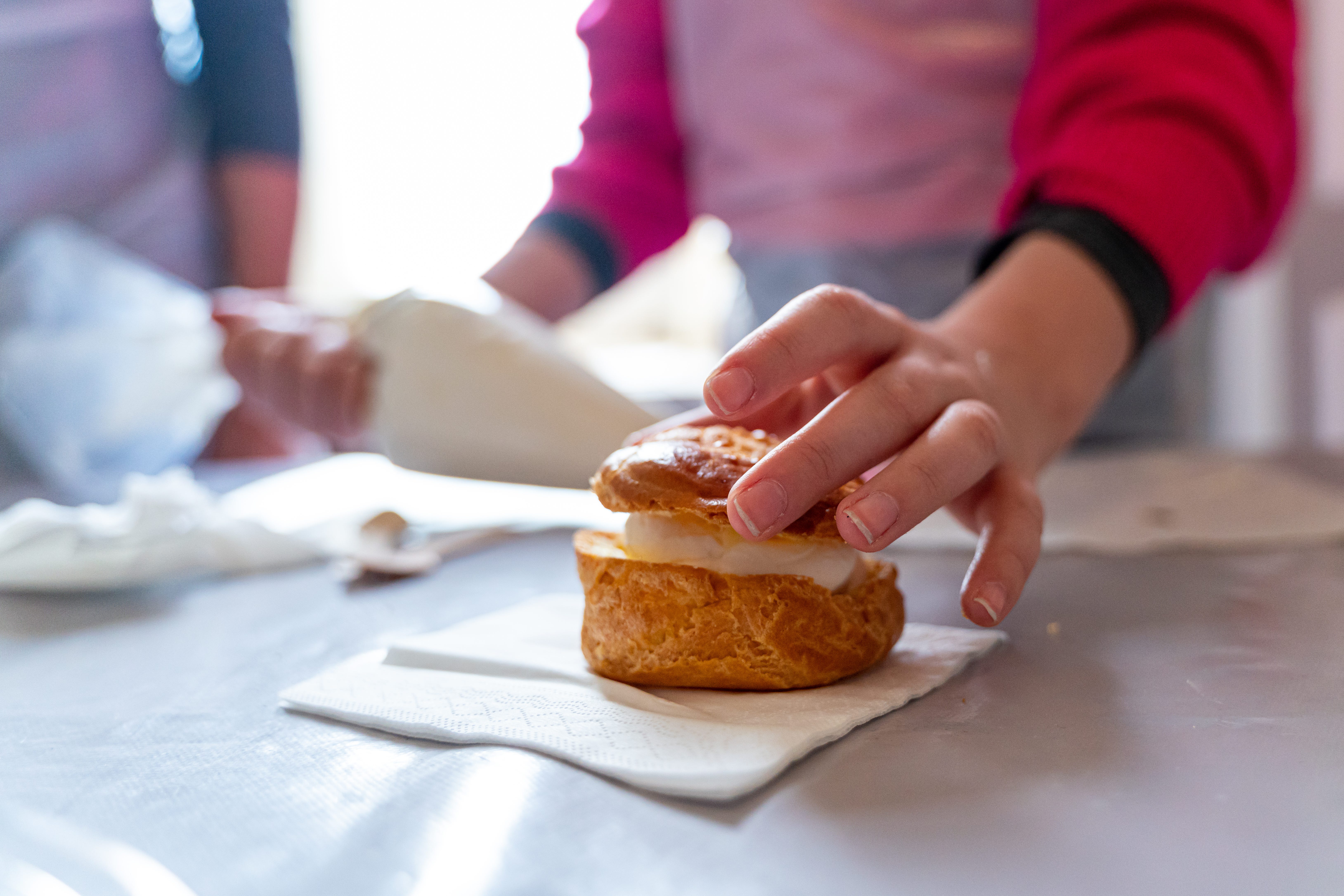
Even in cuisine, Chantilly left its mark. Whipped cream appears in European sources well before Vatel’s time, yet it was at Chantilly in the late eighteenth century that the delicacy became associated with refinement. In 1784, the Baroness d’Oberkirch described delicacies served at the Hamlet, precursors to what would later be called crème Chantilly.
From then on, the name spread across Europe. More than a garnish, it became a delicacy, immortalizing the château at every table where elegance was served. To this day, the phrase evokes not only taste but also refinement, a reminder that even sweetness can carry aristocratic distinction.
The Legacy of Chantilly
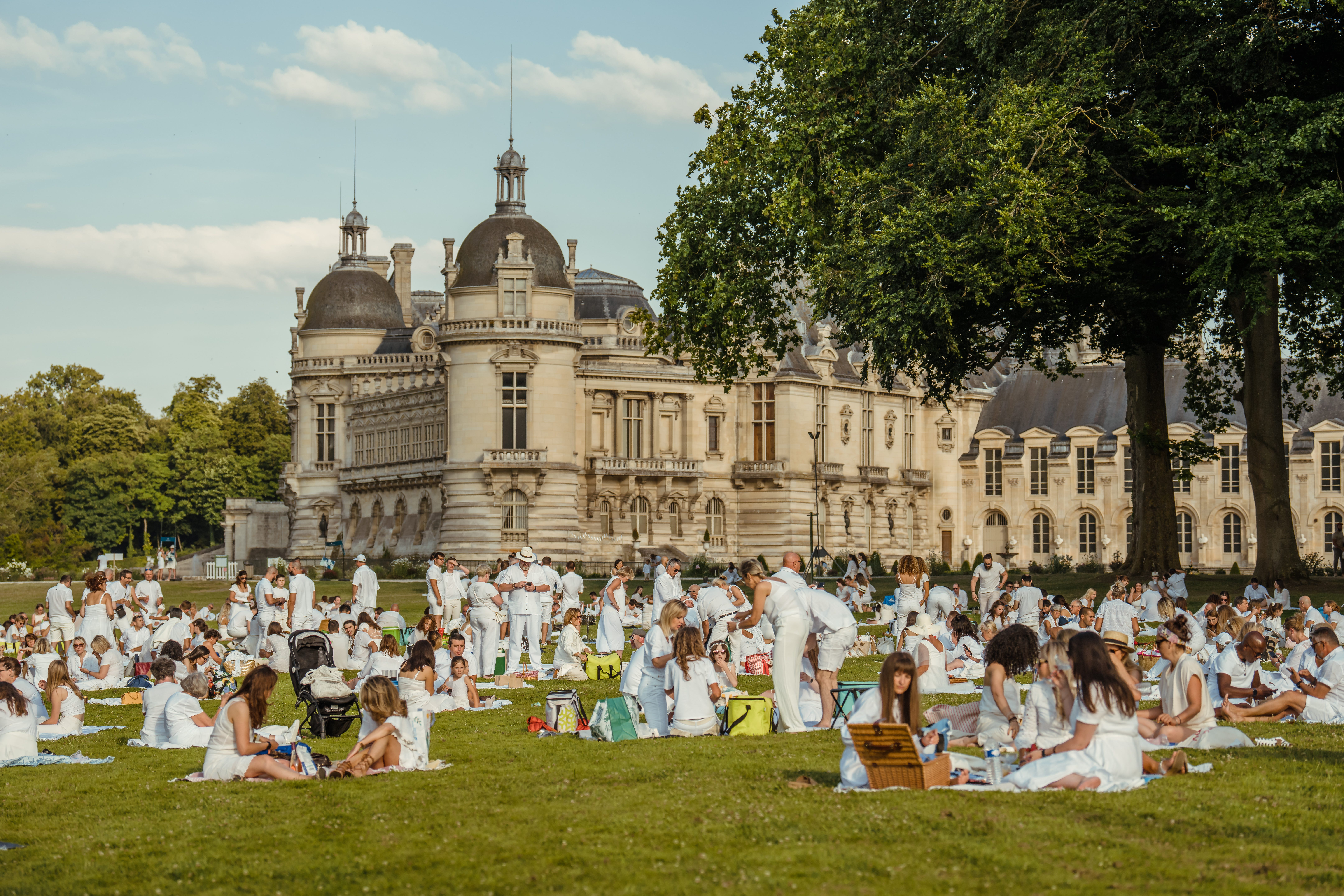
Chantilly has survived revolution, restoration, and the shifting tides of history. What makes it remarkable is not only its endurance, but the fact that it continues to embody refinement in all its forms. Architecture, gardens, art, cuisine, and equestrian culture are woven together here into a single tapestry of elegance.
To visit Chantilly is to move through centuries of aristocratic life, where beauty was never accidental but always deliberate, where every stone and every story still whispers the promise of refinement. The château stands not only as a monument of the past, but as a living reminder that elegance, once cultivated with intention, can remain eternal.
0 comments